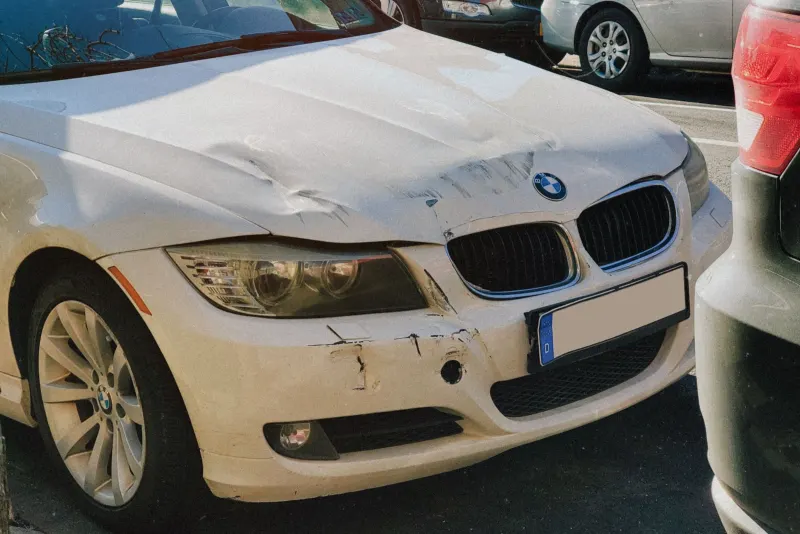
“Dent repair” sounds like a single job, but the method varies a lot depending on the type of dent and the state of the paint. Choosing the right one directly affects both the quality of the result and how original your car stays.
Assessing the dent
Before choosing a method, three questions need answering:
- Is the paint intact? If it’s cracked, lifting or deeply scratched, the dent can’t be repaired paintlessly.
- Where is the dent? A round dent on a flat, open area of a panel is far easier to fix than one on a sharp body line or an edge. Double-skinned areas and reinforcements behind the panel make access harder.
- How far has the metal stretched? In soft dents the metal has usually flexed rather than stretched. In sharp, creased dents it may be permanently stretched.
Paintless dent repair
The aim of paintless dent repair is to work the metal gradually back into shape without harming the original paint. Success depends largely on patience and using light correctly.
Pushing from behind
The technician reaches behind the panel through a suitable access point and uses specialist rods to push the dent out in small, controlled movements. On doors, access is often through the window channel or service holes.
Glue pulling
Where there’s no access from behind, pulling tabs are bonded to the dent with a special adhesive and the panel is pulled from the front. Afterwards the adhesive is released without damaging the paint.
Reflector boards and finishing
The reflection of a striped light board on the panel shows the edges of the dent and any high or low spots. Small high spots created while pushing are gently tapped down to level the surface.
Conventional dent repair
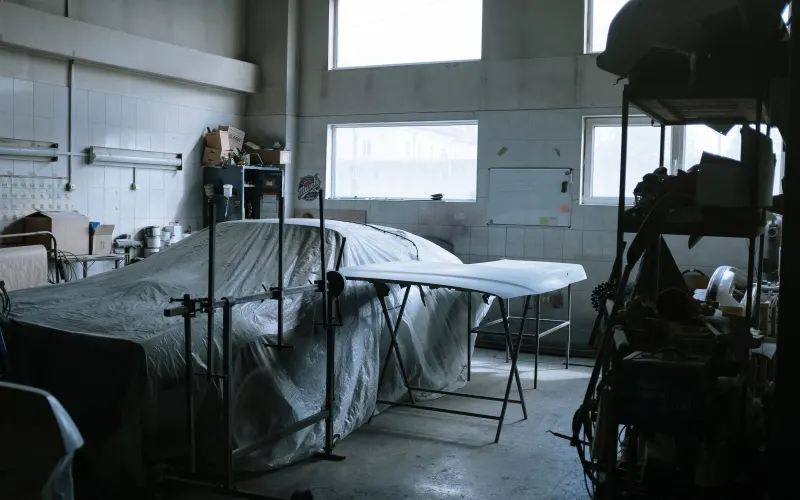
When paintless repair isn’t suitable, the panel is straightened with body tools. Where there’s no access, pins temporarily attached to the surface can be used to pull it, and the metal is shaped with hammer and dolly. The surface is then levelled with a thin coat of filler, primed and painted. Done properly, the result is permanent — but the panel will show as painted on an inspection report.
Which method for which dent?
| Situation | Usually suitable method |
|---|---|
| Round car park dent, paint intact | Paintless repair |
| Hail dents, paint intact | Paintless repair |
| Dent on a sharp body line or panel edge | Paintless or conventional, case by case |
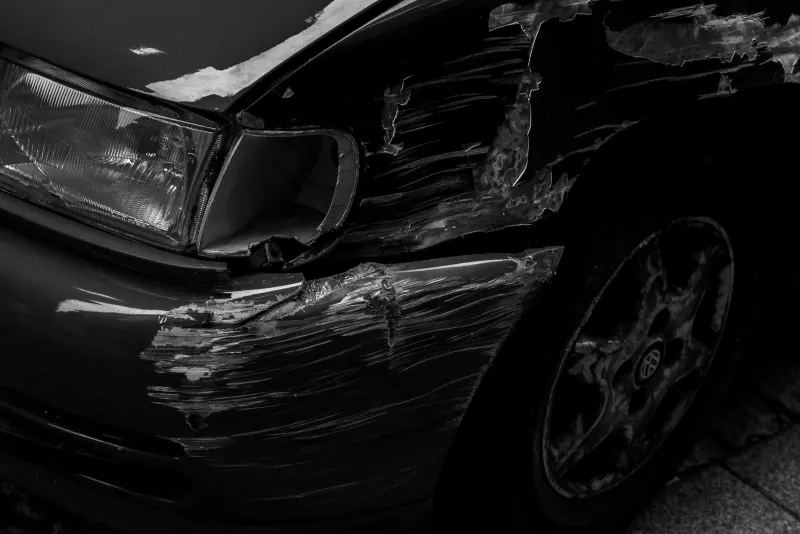
| Dent with cracked or lifting paint | Conventional repair and paint |
| Creased, folded or torn metal | Body repair or panel replacement |
A word on DIY methods
There are plenty of videos showing dents being pulled with suction cups, hair dryers or cheap pulling kits. Some soft dents in plastic bumpers can pop back with heat, but on metal panels uncontrolled pulling can create new high spots, and too much heat can damage the paint. A professional repair afterwards can end up harder than it would have been at the start.
Leaving a dent for later
If the paint is intact, a dent won’t get worse on its own, so you have time to plan. If the paint has cracked, the metal is exposed to moisture and rust becomes a risk. Take a look at our dent repair service, or our car painting page for dents that need paint.