What does body repair cover?
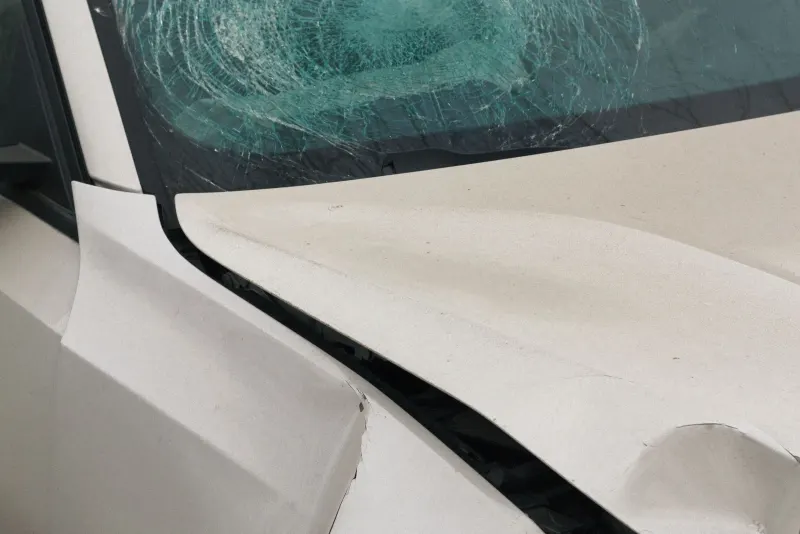
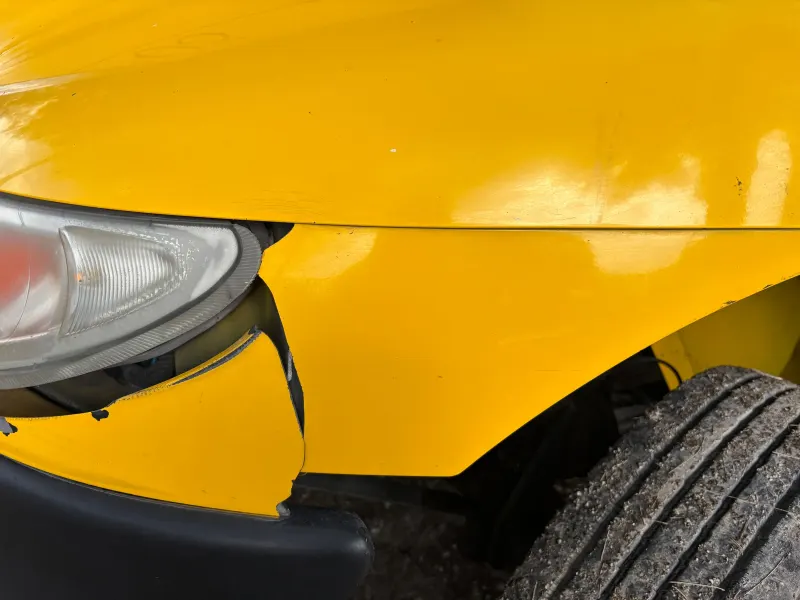
“Bodywork” is the umbrella term for the outer shell of the car — doors, wings, bonnet, boot lid, roof and bumpers. Body repair means removing dents, creases, tears and distortion from these parts and, where necessary, replacing them.
The jobs we see most often:
- Scrapes and dents picked up while parking
- Small dings from car doors opening into the panel
- Panels pushed out of shape in light to moderate collisions
- Broken bumper mounts or cracked bumper covers
- Wheel-arch edges and sills that have started to rust
Repair or replace?
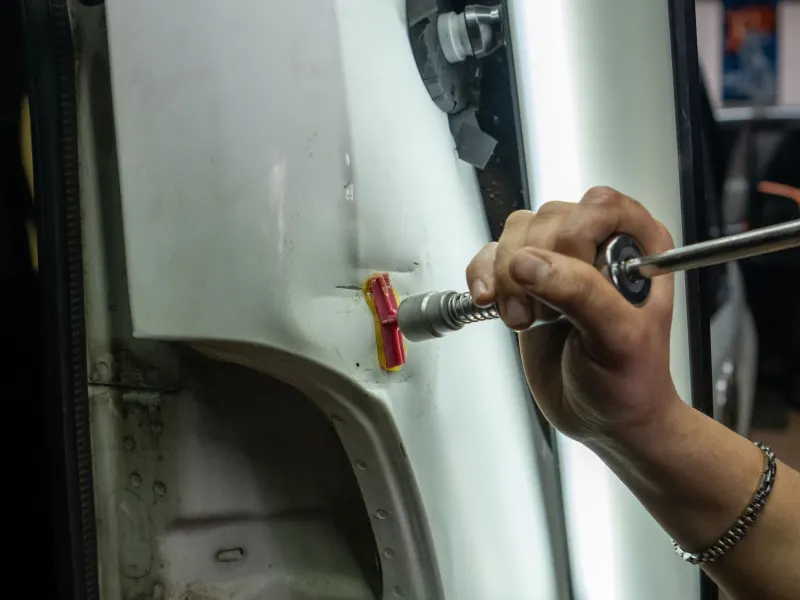
Not every damaged panel needs replacing. If the metal has not been over-stretched or torn and the mounting points are intact, a panel can often be straightened back to its original form. Keeping the original part means keeping as much of the factory structure as possible.
Where the metal is torn, folded, or would lose strength if straightened, replacement is the better choice. We weigh up where the damage is, what the panel is made of and the cost of each option — then explain the choices to you clearly.
Plastic bumpers
Most bumpers on modern cars are plastic. Scratches, snapped clips and small cracks can usually be repaired. If the energy absorber, reinforcement bar or sensor mounts behind the bumper have been hit, though, those need checking too.
Damage you can’t see
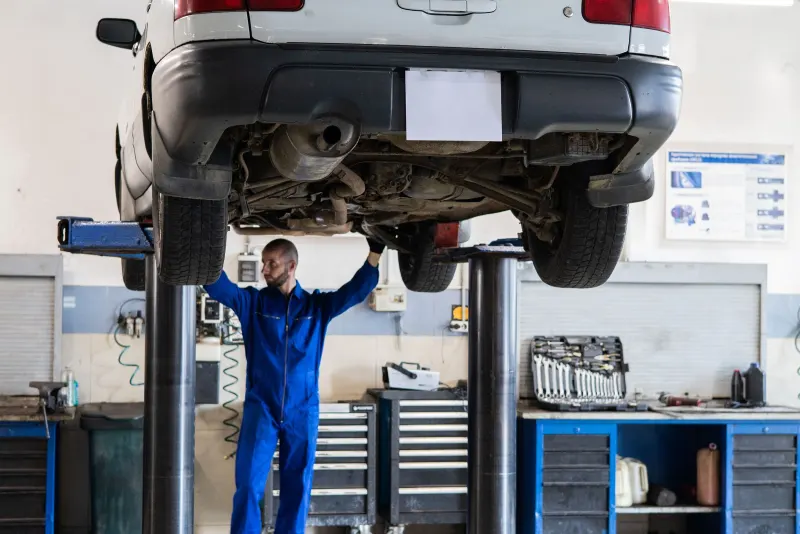
A knock that looks minor from the outside can affect the inner panel, headlight brackets or parking sensors behind it. That is why, where needed, we remove the relevant parts and check the back before starting work. Uneven gaps around doors and bonnet, or a door that no longer shuts cleanly, are also clues to how far the damage goes.
If the car pulls to one side on a straight road after an impact, or the tyres have started to wear unevenly, the problem may not be limited to the bodywork. In that case a mechanical check and wheel alignment are also needed.
Bodywork and paint are planned together
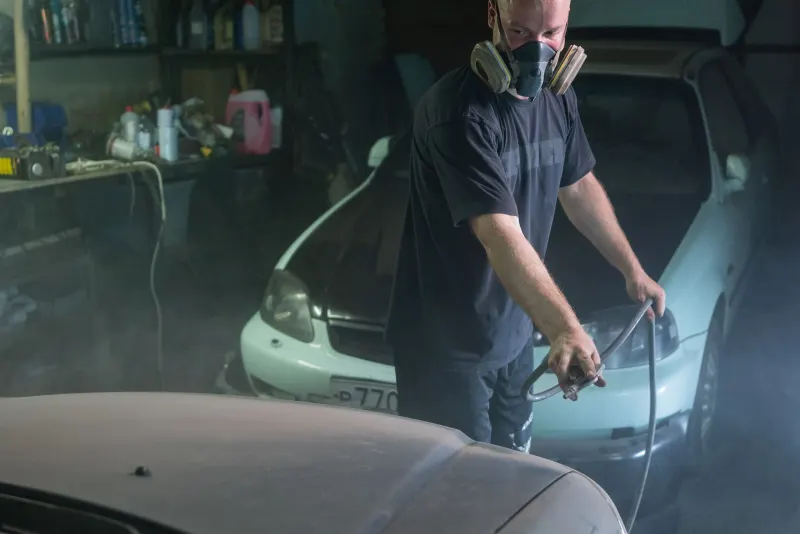
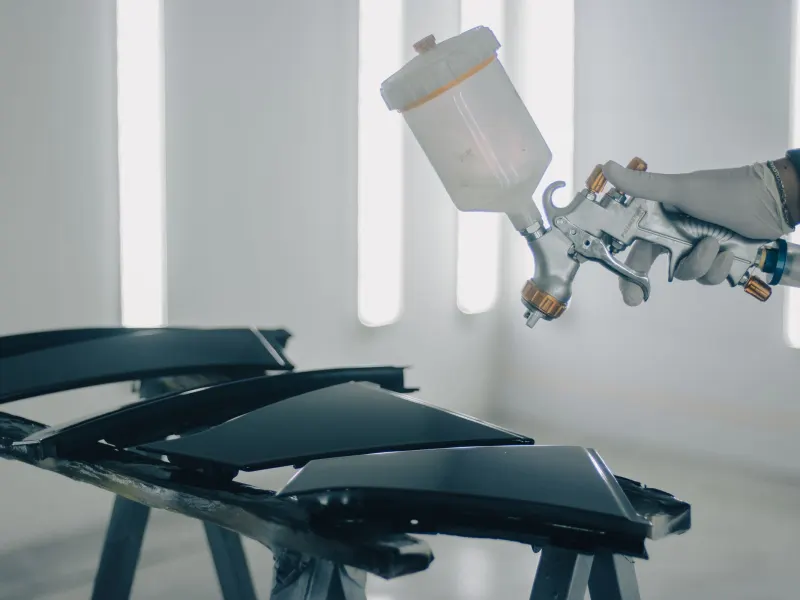
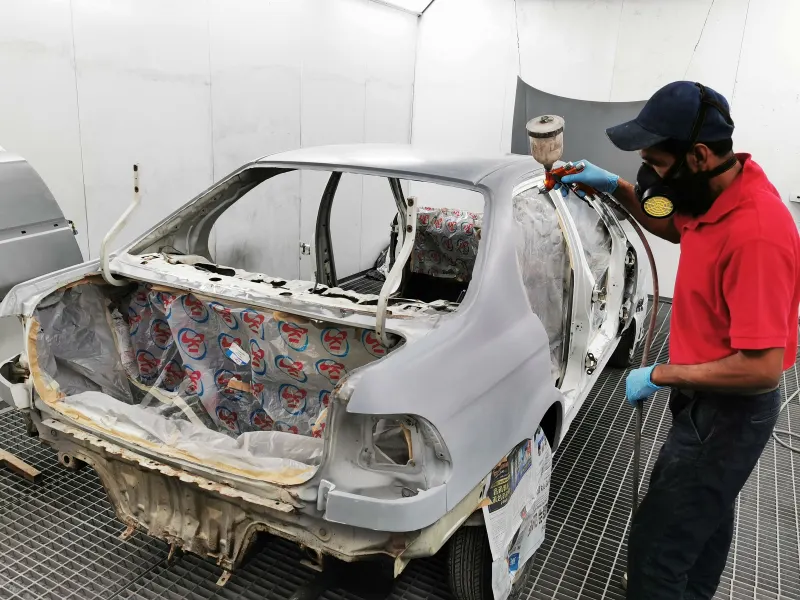
A straightened or replaced panel almost always needs painting, and the quality of the bodywork shows directly in the paint: a slight ripple left in the surface becomes obvious under light once it is painted. That is why we treat body repair as the first step of the car painting process. For small dents where the paint is undamaged, dent repair methods may be the better option.
If you’ve just had a knock and aren’t sure what to look for, our article on what to check after body damage is a good place to start.
How the process works
Damage assessment
We inspect the car under different light and, if needed, remove parts to check the mounts behind them.
Repair plan
We tell you which panels can be straightened, which need replacing and which areas will be painted.
Body repair
We straighten, replace and refit panels, then check panel gaps and alignment.
Paint prep and handover
We prepare the surface for paint and, after painting and reassembly, check the car with you before handing it back.