How is accident repair different from bodywork?
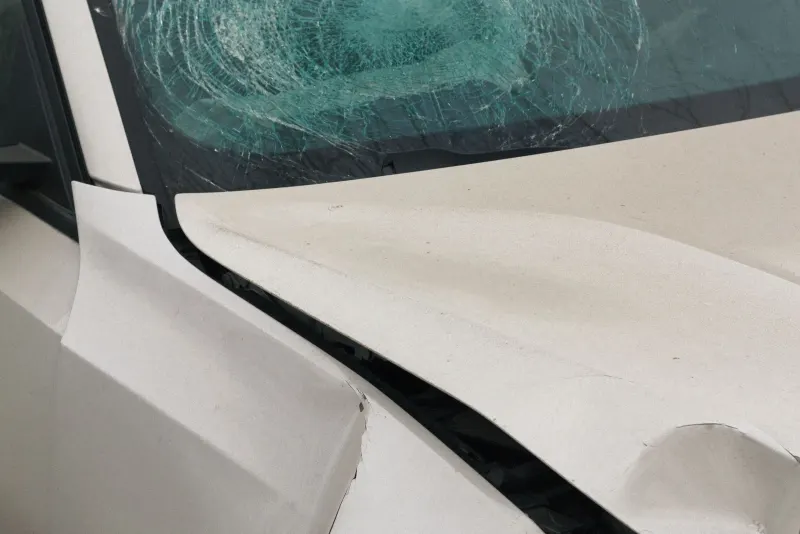
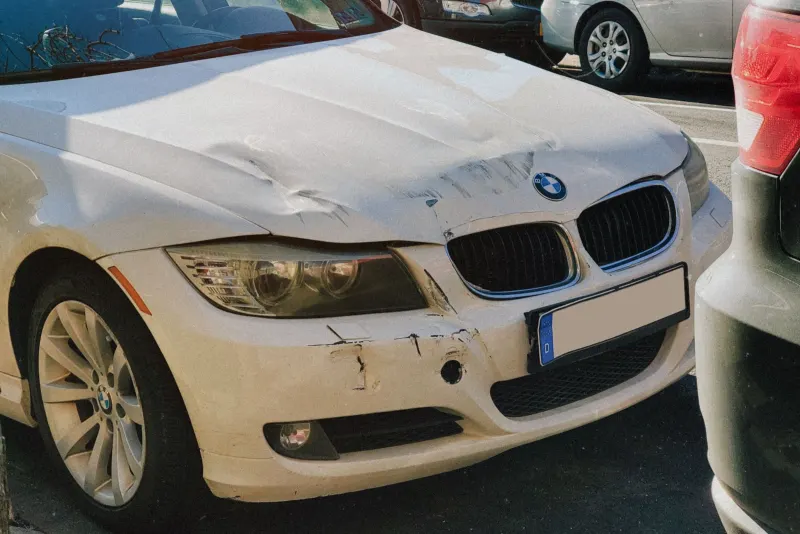
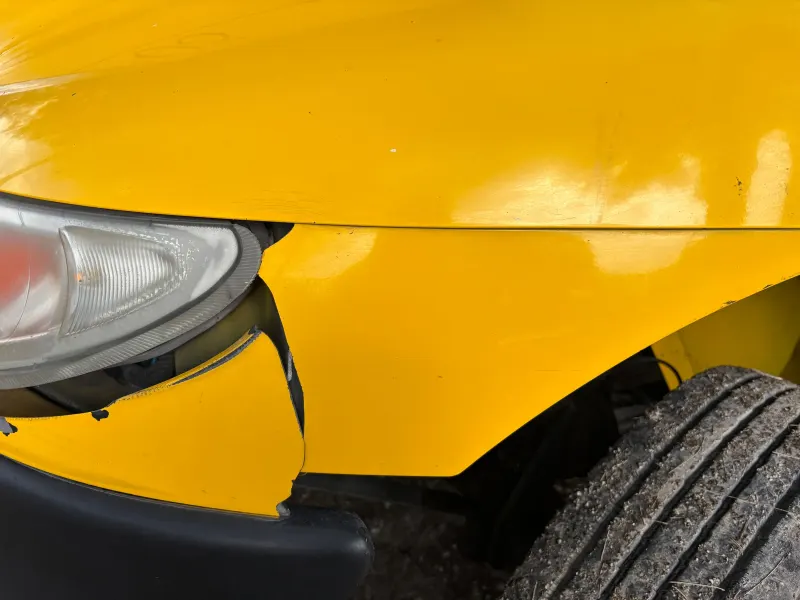
A small dent usually stays within one panel. In a collision, the energy of the impact travels through the body of the car. A hit to the front bumper can reach the bumper reinforcement, the radiator support, the front chassis rails and even the engine mounts. Accident repair means checking every link in that chain and repairing it in the right order.
Modern car bodies are designed to crumple in specific zones and absorb energy in a crash. Those zones sacrifice themselves to protect the car and the people inside — which is why staying true to the manufacturer’s intended structure matters during repair.
What we check during assessment
- Outer panels: dents, tears, cracks and paint damage
- Panel gaps: whether the gaps around doors, bonnet and boot lid are even
- Structural areas: chassis rails, inner wings and mounting points
- Lights and sensors: headlight brackets, parking sensors and, if fitted, the camera or radar areas used by driver-assistance systems
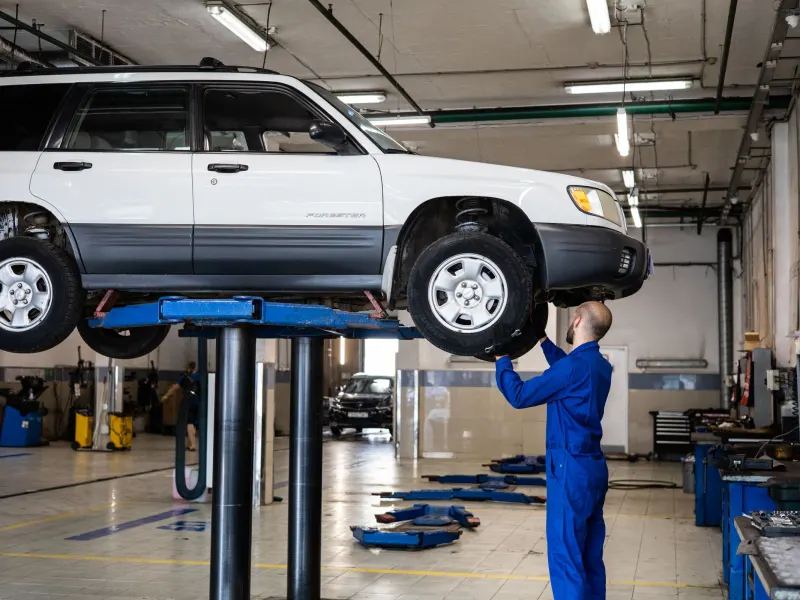
- Mechanical parts: radiator, cooling lines, suspension and steering components
Some damage only shows once the bumper or trim is removed. If we find something that wasn’t visible at the first inspection, we let you know before carrying on.
Choosing parts
There are usually several options for a replacement part: genuine (OEM), aftermarket equivalent, or in some cases a used part. Each differs in price, availability and fit. For safety-related parts and structural areas, we talk through which option is appropriate and make the decision with you.
If the damage is insured
When damage is covered by comprehensive insurance (kasko) or the other driver’s compulsory traffic insurance, the process moves forward once the insurer’s appointed loss assessor has inspected the car and approved the scope of repair. Having the accident report, photos and vehicle registration ready speeds things up. We recommend checking your own policy and the steps to follow with your insurer or broker.
Curious what happens to your car in the workshop? We walk through it step by step in the accident repair process.
Finishing the repair
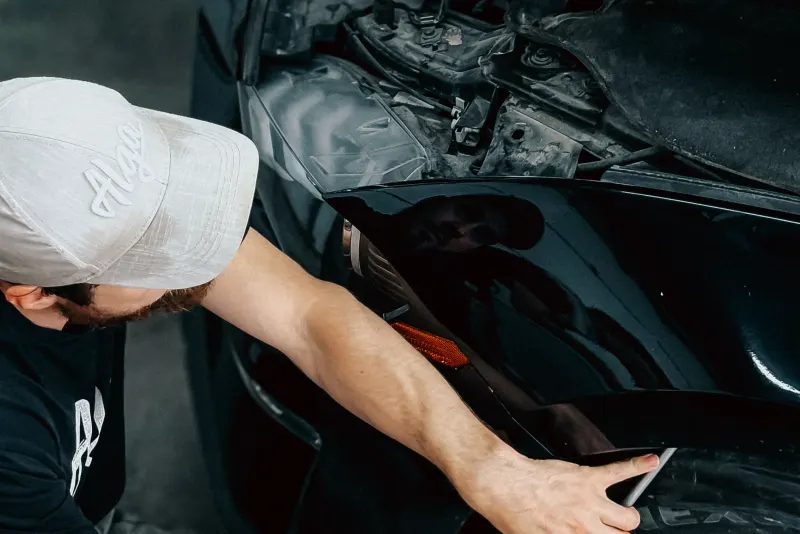
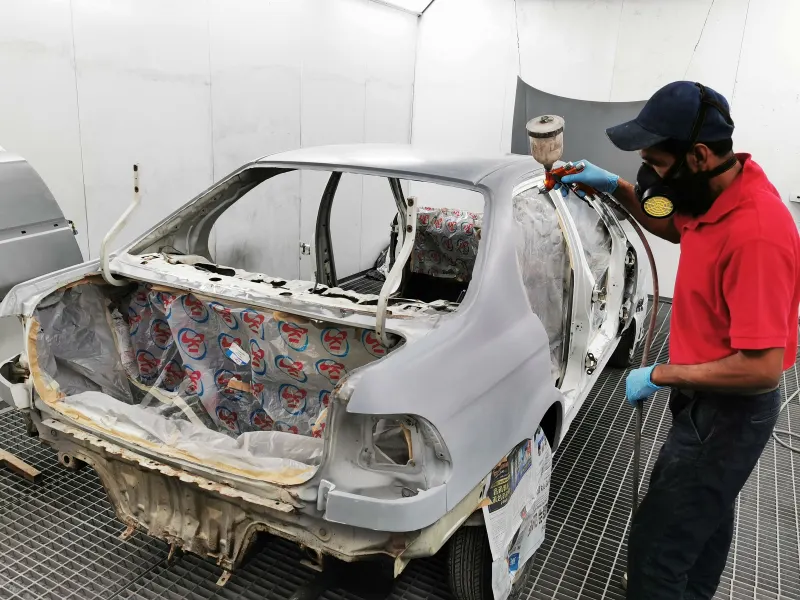
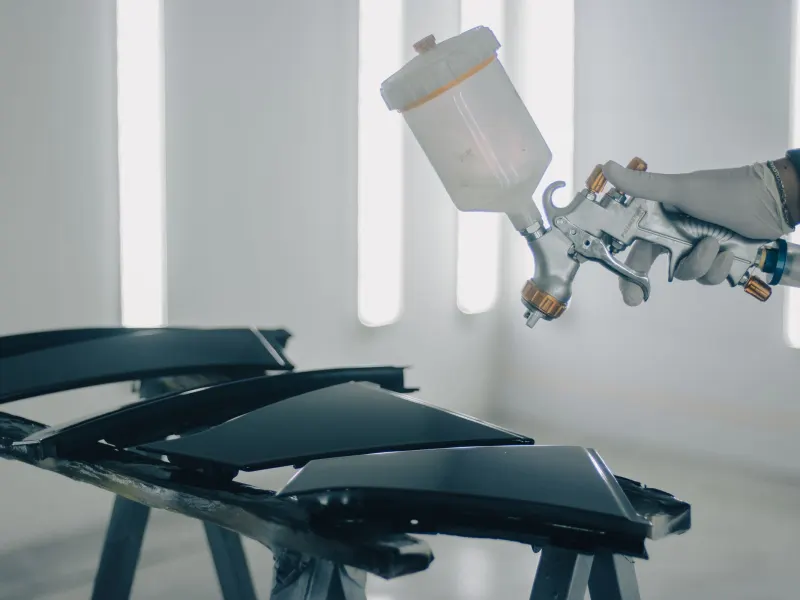
Once the structural and panel work is done, the panels are painted, removed parts are refitted and electrical components are tested. If the impact affected the suspension or steering, mechanical repair and wheel alignment become part of the job.
How the process works
Initial inspection
We record the visible damage and assess whether the car is safe to drive.
Strip-down and detailed check
Bumpers and trim come off so the mountings and structural areas behind them can be inspected.
Repair plan and approval
We share which parts will be repaired or replaced, the parts options and the timeline.
Body, paint and reassembly
Structural and panel repair, paint, reassembly and function checks — then we go over the car with you.