Which systems do we work on?
- Brakes: checking and replacing pads, discs, drums, brake fluid and hoses
- Suspension: shock absorbers, coil springs, control arms, bushes and ball joints
- Steering: track-rod ends, steering rack mountings and play checks
- Cooling system: radiator, hoses, thermostat and coolant level
- Exhaust: joints, gaskets and rubber hangers
- Fault-code reading: reading stored codes from the car’s ECU when the engine warning light comes on
What the symptoms are telling you
A symptom on its own isn’t a diagnosis, but it shows us where to start. These are signs worth getting checked without delay:
Noise or vibration when braking
Squealing often means the pads are near their wear limit; vibration through the pedal can point to uneven discs. A pedal that travels further than usual may indicate a hydraulic problem and should be looked at straight away.
Knocking over bumps
Worn suspension bushes, ball joints or shock absorbers can cause this. These parts affect not just comfort but road holding and braking distance too.
The car pulls to one side
Uneven tyre pressures, wheel alignment that has drifted out, or a brake caliper that isn’t releasing fully can all make the car pull. One-sided tyre wear often comes with it.
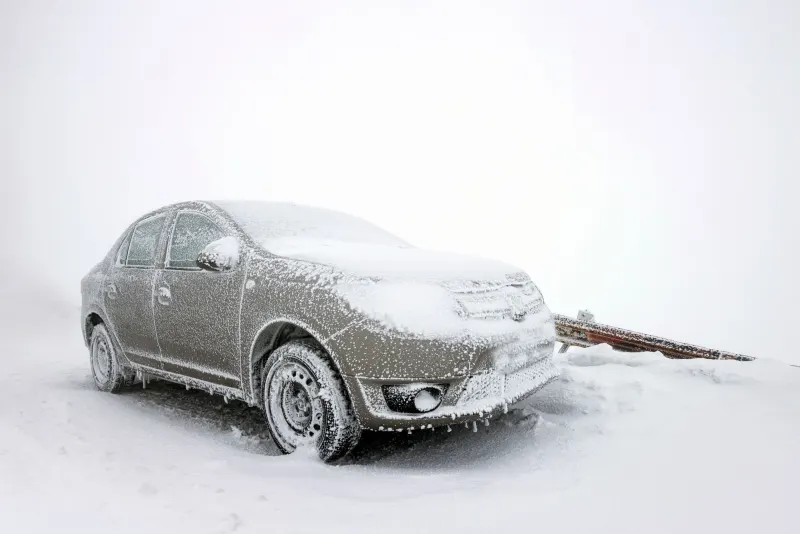
The temperature gauge is climbing
Low coolant, a leak, or a thermostat or fan fault can push engine temperature up. If the gauge is heading towards red, pulling over safely and switching off can prevent serious engine damage.
Diagnosis first, parts second
The most expensive mistake in mechanical repair is replacing parts before finding the cause. We listen to the car, confirm the symptom on a test drive, read fault codes where relevant and test the component in question. We show you which part needs replacing and why.
Regular servicing is the best way to catch many of these problems early. You’ll find what a service involves on our scheduled maintenance page, and why it matters in why regular car maintenance matters.
Some warranty work or manufacturer-specific software updates may require a franchised dealer. If that applies to your car, we’ll tell you upfront.
How the process works
Listening to the symptom
We ask when and under what conditions you noticed the problem, and confirm it on a test drive where possible.
Inspection and testing
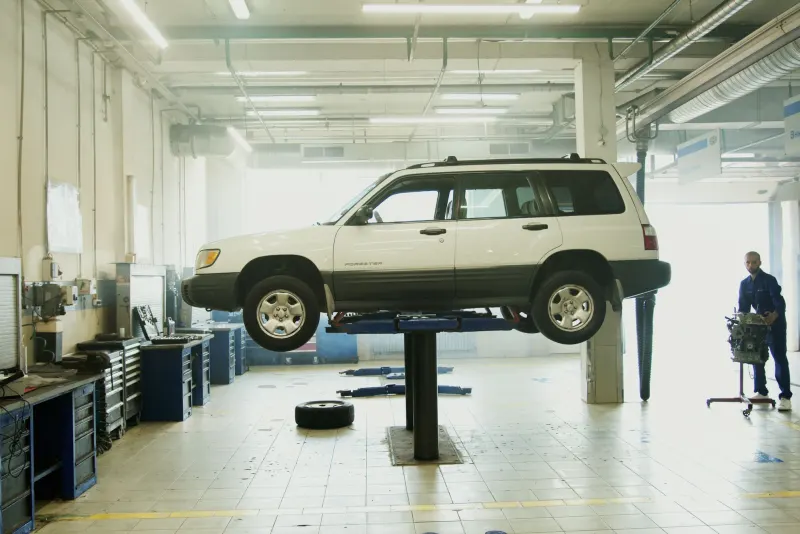
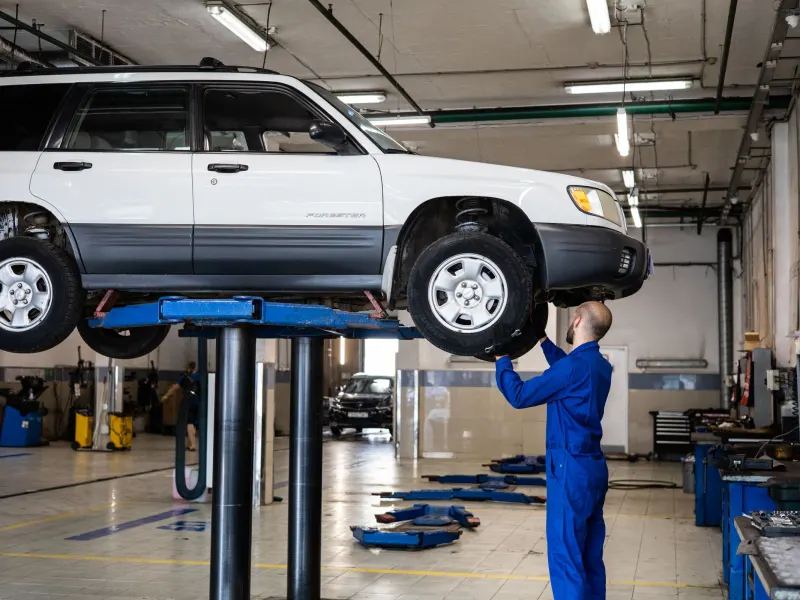
The system is checked on the lift; fault codes are read if needed.
Explanation
We explain what we found, which parts are needed and how urgent it is.
Repair and road test
After the repair we test the car again to confirm the symptom has gone.