Not every dent is fixed the same way
Three things decide the method: whether the paint is intact, where the dent is on the panel, and how far the metal has been stretched. Of two dents the same size, one may come out without touching the paint while the other needs filler and paint.
Paintless dent repair
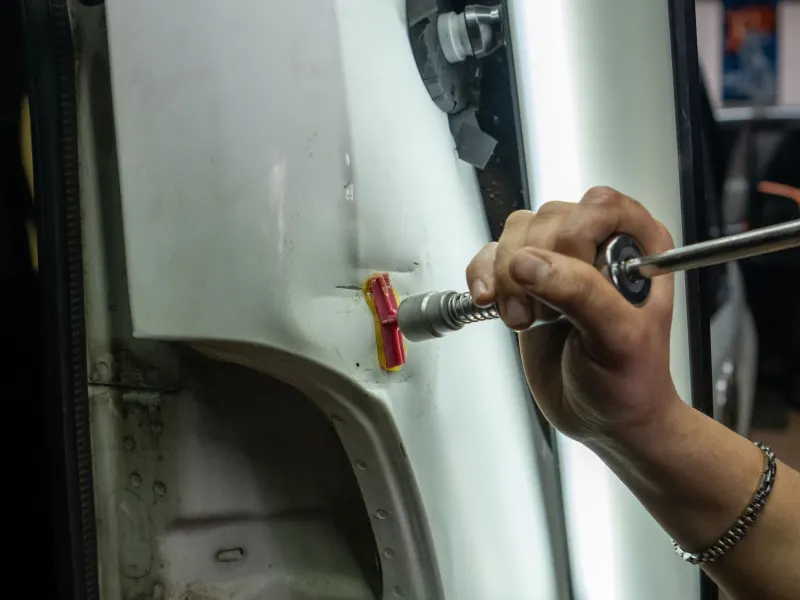
Where the paint hasn’t cracked or lifted, the panel is gradually worked back into shape — from behind with specialist rods, or from the front with glue-on pulling tabs. Striped reflector boards are used throughout: the way their lines reflect on the panel shows the edges of the dent and how much of it has been removed.
The big advantage is that the original paint is kept. But not every dent is suitable:
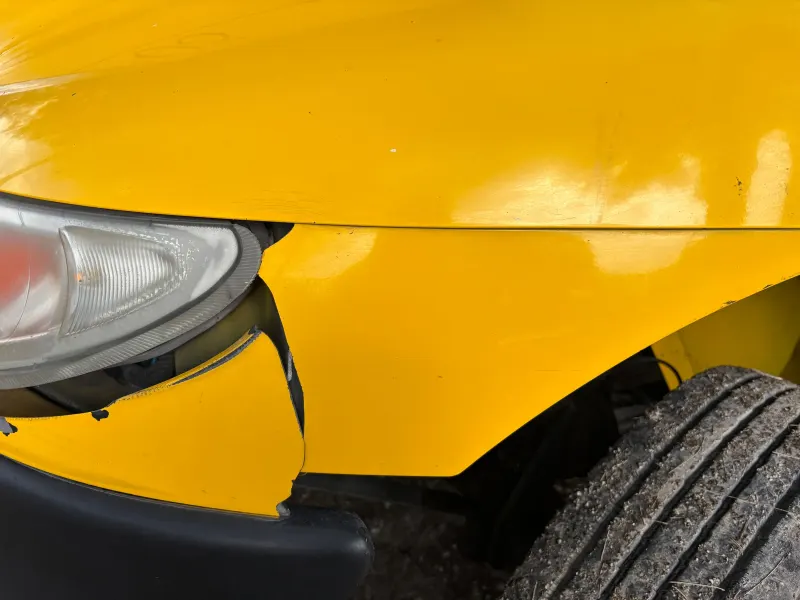
- The paint is cracked, lifting or deeply scratched
- The dent sits on a sharp body line or panel edge
- The metal is over-stretched, creased or folded
- There’s no access behind the panel and pulling from the front isn’t enough
Aluminium panels also behave differently from steel and need more careful work.
Conventional dent repair
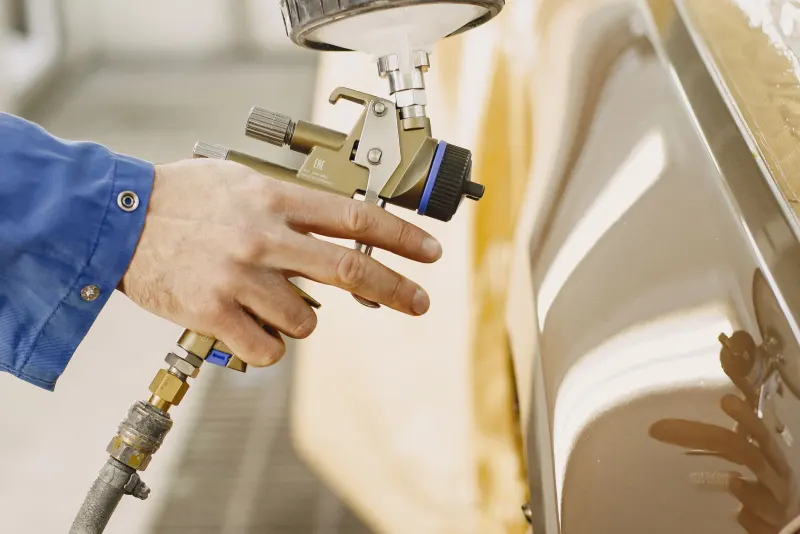
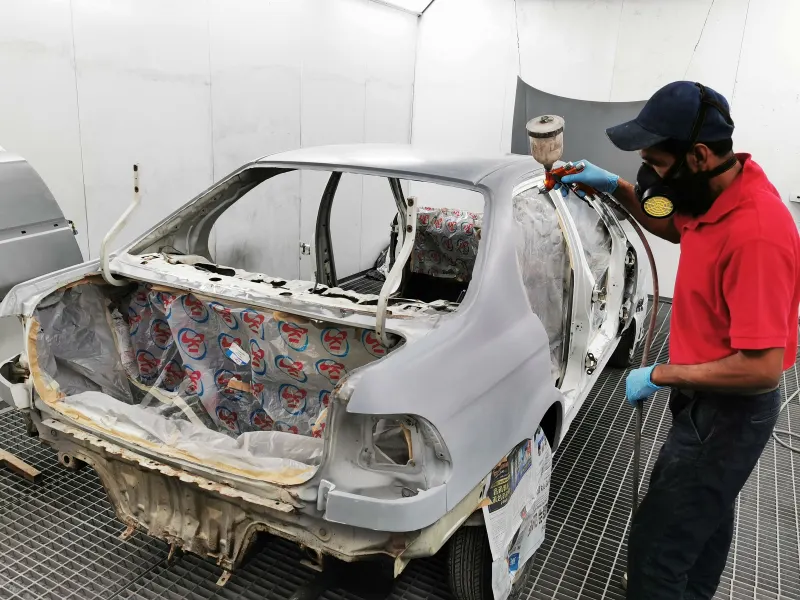
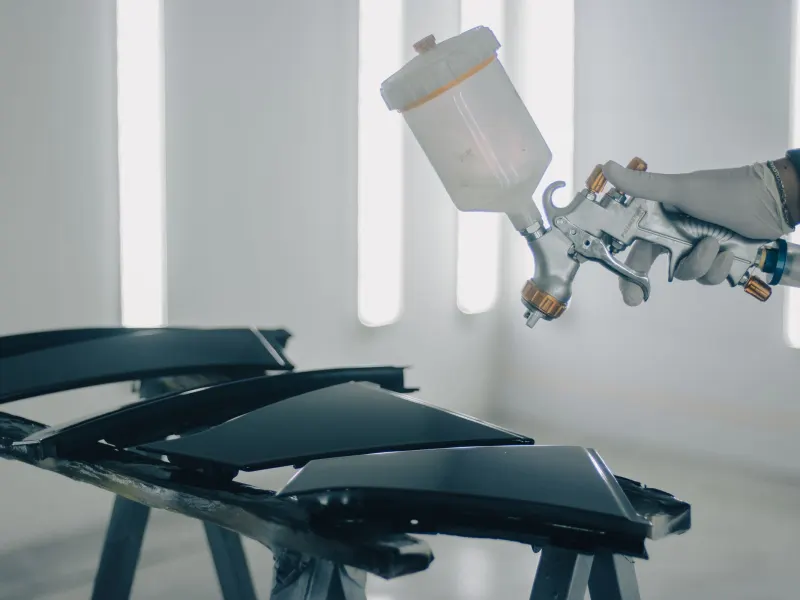
When paintless repair isn’t an option, the panel is straightened with body tools, levelled with a thin layer of filler and then painted. Larger damage spanning several panels becomes a body repair job.
Want to understand the difference in more depth? Read our guide to car dent repair methods.
Hail damage
Hail leaves lots of small dents, especially on the roof and bonnet. If the paint is undamaged, these can usually be worked out one by one with paintless techniques. With many dents it takes time; after inspecting the car we’ll give you a realistic estimate.
How the process works
Inspection under light
We use a reflector board to map the edges and depth of the dent and check the paint.
Choosing the method
We tell you honestly whether paintless repair is possible and what result to expect.
Repair
The panel is worked gradually back to shape, from behind or from the surface.
Final check
The surface is checked from several angles and lightly polished if needed to even out the gloss.