Car paint faces sun, rain, dust, road grime and the friction of washing every day. The good news is that the way to protect car paint starts with the right habits, long before expensive products.
Washing properly: where most damage begins
Most of the fine circular scratches (swirls) in paint are created during washing. Grit and dust on the surface act like sandpaper when rubbed with a sponge or brush.
- Rinse first. Remove loose dirt with plenty of water.
- Use two buckets. One with shampoo, one with clean rinse water — rinse your mitt in the second bucket after every panel.
- Choose soft materials. A microfibre wash mitt lifts dirt away from the surface better than a sponge.
- Work from the top down. Lower panels and wheels, the dirtiest areas, come last.
- Wash in the shade. In direct sun, water and shampoo dry quickly and can leave marks.
- Use proper car shampoo. Washing-up liquid is a degreaser and strips wax and protection from the paint.
- Dry gently. Use a clean, soft drying towel and blot or glide rather than scrub.
Brush-type automatic washes are convenient, but dirt trapped in the brushes can speed up swirl marks.
Things to remove straight away
Some contaminants can damage paint surprisingly quickly, especially in hot weather:
- Bird droppings: acidic enough to etch the clear coat.
- Tree sap: hardens in the sun and bonds to the surface.
- Insect remains: build up on the front bumper and mirrors and can stain if left.
- Road tar and fuel spills: can leave marks over time.
Rather than scrubbing them off dry, soften them with water first and lift them gently with a suitable cleaner.
Protection options
Wax
Adds gloss and makes water bead. It’s easy to apply but relatively short-lived, so it needs renewing regularly.
Synthetic sealants
Polymer-based sealants usually last longer than traditional wax and stand up better to chemicals.
Ceramic coating
Forms a hard, long-lasting layer that resists dirt and makes washing easier. The result depends on how well the paint is cleaned and corrected beforehand. Ceramic coating doesn’t make paint scratch-proof — poor washing can still cause swirls.
Paint protection film
A clear, flexible film that acts as a physical barrier against stone chips and light scuffs. It’s usually applied to the areas that take the most hits: front bumper, bonnet, mirrors and wings.
Where you park matters
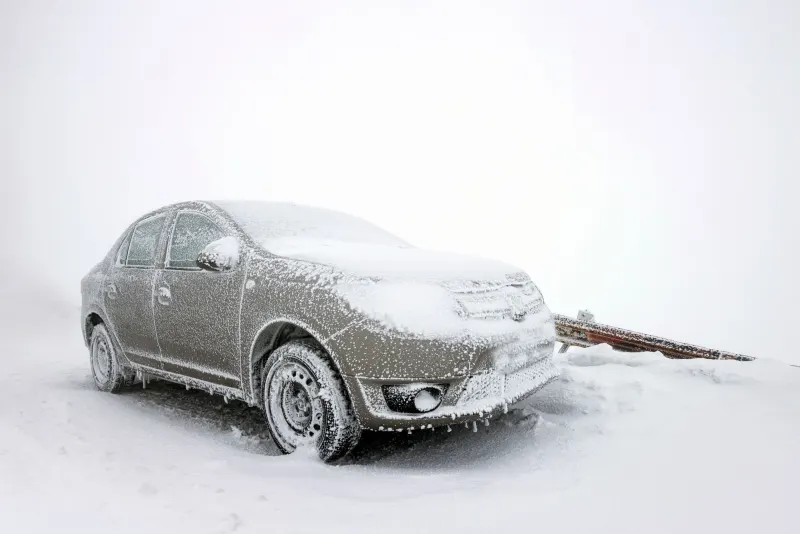
Paint left in direct sun for long periods fades faster, with the roof and bonnet taking the brunt. Parking under cover or in shade where possible extends paint life. Parking under trees gives shade but increases the risk of sap and bird droppings. In winter, road salt can speed up corrosion underneath the car and on the sills, so don’t skip underbody washes during the cold months.
Deal with small damage early
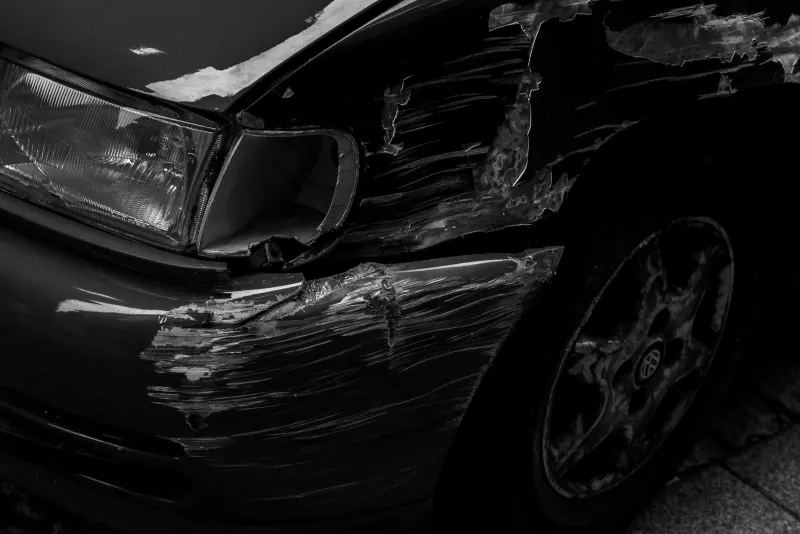
A stone chip or deep scratch that exposes bare metal gives rust a starting point. A small touch-up now is far cheaper than a paint job later. We explain which defects need paint in when should car paint be renewed?
If a panel has just been painted
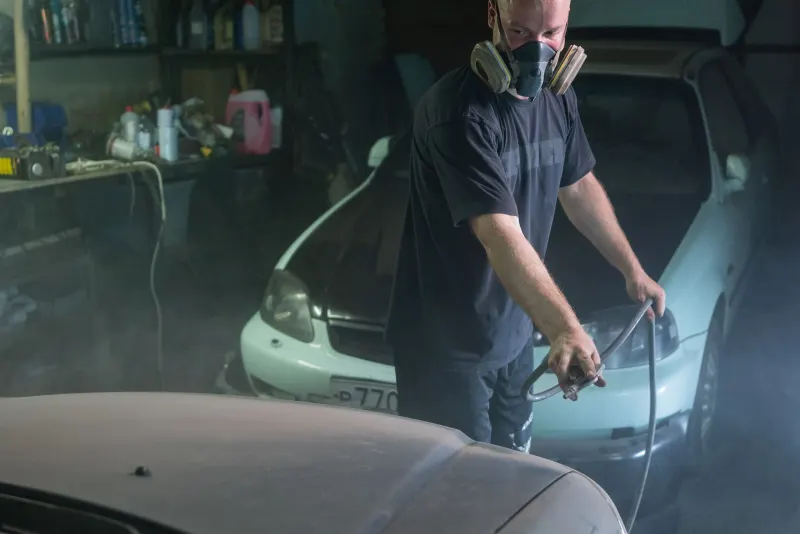
Fresh paint may feel dry, but it takes time to reach full hardness. During that period, avoid brush washes, harsh chemicals and waxing. The best person to ask how long to wait is the workshop that applied the paint — with our car painting service, we tell you at handover.